
Asia Transfer · Insights
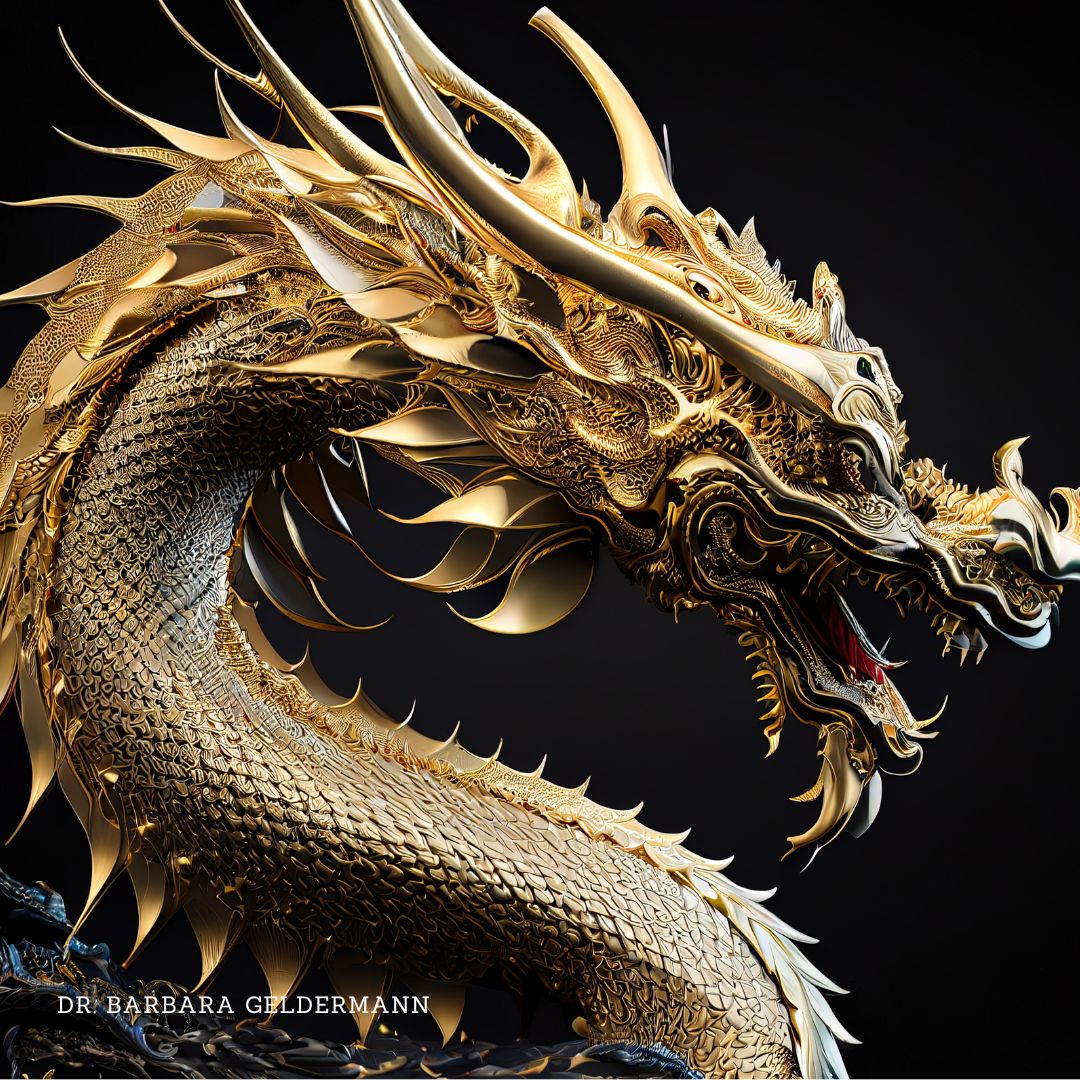
Now the dragon year is being celebrated …
The New Year is celebrated worldwide with joy, without cultural or religious restrictions.
Parties are organized, countdowns to midnight are enjoyed, and various activities are participated in to celebrate it. In the Chinese world, the Chinese New Year, or Lunar New Year, is particularly significant and has deep cultural and traditional roots. It is a time when families come together, pay respect to their ancestors, and welcome the arrival of spring. Cities and villages transform into a sea of red, the color of happiness and joy. Red lanterns decorate the streets, while red-wrapped lucky money envelopes, known as “Hongbao,” are distributed among friends and family members, especially the younger ones. Another highlight is the New Year’s Eve dinner, an opulent meal with dishes that symbolize luck, health, and prosperity. Fish, for example, is served to symbolize abundance, and sticky rice cake, known as “Nian Gao,” is considered a sign of a successful upcoming year. Dumplings, resembling the shape of ancient Chinese gold and silver coins, therefore symbolize wealth. Traditionally, the family gathers to eat them at midnight, which is supposed to bring luck. Spring rolls stand for prosperity, eating vegetables is supposed to symbolize the hope for a healthy year.
These dishes are appreciated not only for their taste but also for the good wishes and hopes they embody for the coming year:
Fish (鱼, Yú): A whole fish is served to symbolize prosperity and abundance. The term “鱼” (fish) sounds like the word for “surplus” or “wealth” in Mandarin, expressing the desire for an abundance in the new year.
Dumplings (饺子, Jiǎozi): Their shape resembles that of ancient Chinese gold and silver coins, thereby symbolizing wealth. Traditionally, the family gathers to eat them at midnight, which is supposed to bring good luck.
Spring Rolls (春卷, Chūnjuǎn): They symbolize prosperity because of their golden-yellow color, which reminds one of gold bars.
Sticky Rice Cake (年糕, Niángāo): The name sounds like “higher year,” meaning that one climbs higher every year, whether in career, school, or general growth in life. It symbolizes success and progress.
Sweet Rice Balls (汤圆, Tāngyuán): Their round shape and sweet filling symbolize family unity and sweetness in life.
Long Noodles (长寿面, Chángshòu Miàn): They stand for a long life and health. The noodles should be left whole and not cut to ensure a long life.
Oranges and Mandarins (桔子, Júzi): These fruits are valued for their similarity to the word “luck” and their golden color, which symbolizes prosperity.
Vegetables, especially green leafy vegetables (青菜, Qīngcài): Green stands for freshness and a new beginning. Eating vegetables is supposed to symbolize hope for a healthy year.
In addition to festive meals and gatherings, many also dedicate themselves to spring cleaning, to cleanse the house of bad influences and make room for new luck. Temple visits are common to pray for a good year and to light incense sticks to honor the gods and ancestors. Thus, the Chinese New Year is not just a time of celebration, but also of reflection, renewal, and hope. Whether celebrating with fireworks and parties on January 1st or enjoying traditional foods and dragon and lion dances during the Chinese New Year, both festivities offer a wonderful opportunity to welcome the new year with joy and excitement. The diversity of these traditions reflects the rich cultural diversity of our world, and they remind us that, although we may celebrate differently, the hope for happiness, health, and prosperity is universal…